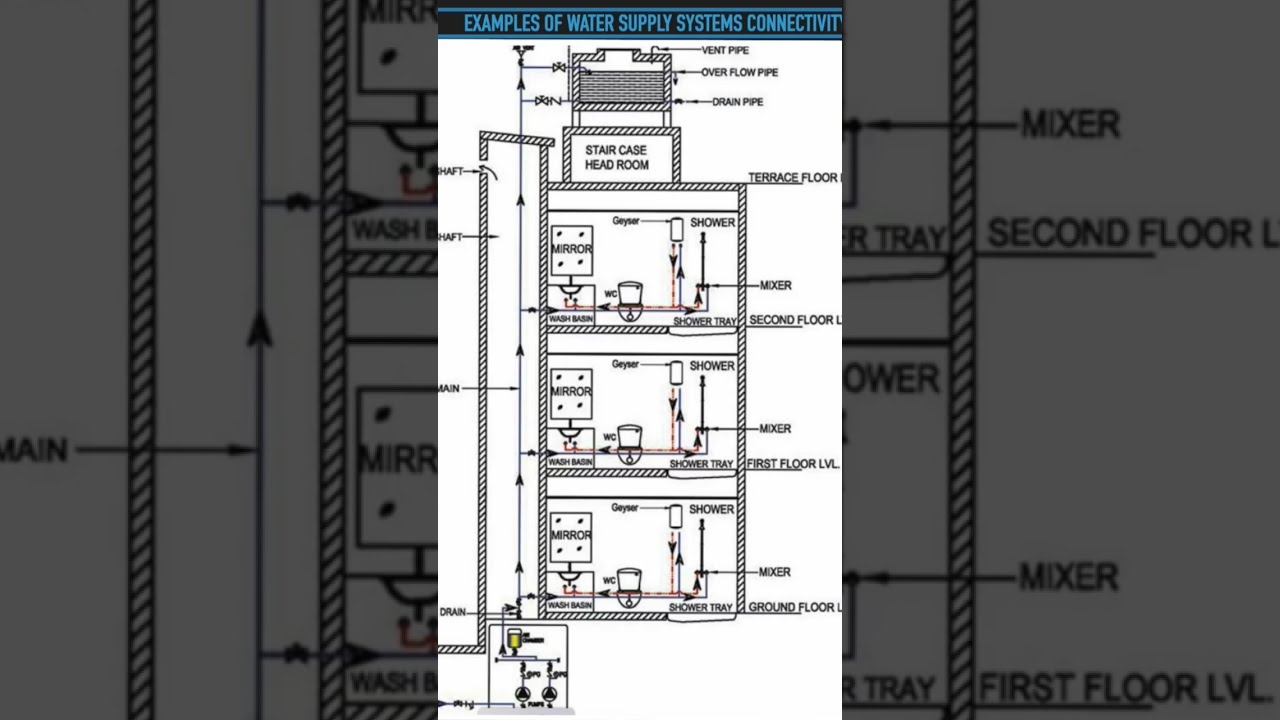
Your home's plumbing system delivers hot and cool water, is able to remove waste and then drain away water. It's a crucial system that requires some attention to keep it working properly.
Leaks are one of the major causes of water waste and can cost you more. It's essential to learn how to spot and repair leaks as quickly as possible to save money.
DrainsThe plumbing system is so widespread and vital that we tend to overlook it until there is a problem. Regular maintenance can avoid many plumbing problems.
The first step is to inspect the pipes and fixtures visually. This ensures everything looks good and identifies any issues in a timely manner, like water stains, or leaks.This allows you to identify any damage that may be caused by weather or pests.A second step is to ensure that drains are kept clean. This helps prevent clogs and makes sure that water is flowing properly. It is possible to do this by avoiding the practice of putting food scraps in the sink and by using a screen or strainer for sinks and showers. Pouring hot water into the drain frequently can aid in getting rid of soap scum.
Last but not least, don't flush any other items down the toilet, except for human waste as well as toilet paper. Items such as hair and food waste, as well as grease, and wipes may form solid masses that clog drains. The addition of pipe insulation to colder areas can prevent frozen pipes and cut down on the amount of time required to get hot water to get there.Water Heating Device
Making sure hot water is flowing and eliminating waste from the home's plumbing system requires regular inspection to detect small problems before they turn into major costly repairs. The majority of plumbing problems result from neglect and are only visible when it's way too late. The positive side is that the majority of these issues can be prevented with some preventative maintenance techniques.For example, make sure that all shut-off valves are open and shut with ease. Also, flush your water heater every year to eliminate sediment that reduces efficiency and shortens the unit's life span.
A second important tip is to check exposed pipes regularly for cracks, brittleness, and leakage. Look for puddles under sinks. You can test the pressure relief by lifting the lever, allowing water to drain out and snapping it into place. Test your energy-efficient plumbing solutions water meter to find out if it displays any unusual or unusual activity. You can make use of a heat gun or hair dryer to melt the pipe in case there is an issue.
Faucets
Plumbing is a common feature within a house until it starts to break down. However, preventative maintenance is crucial to spot minor issues before they become
bigger problems that require expensive larger problems that require costly repairs. This is also a chance to conserve energy and water. One drip per minute can waste 34 gallons of drinking water in one year.
Faucets are a critical design element in both kitchens and bathrooms. They should be a part of the design and functionality of the sink, with an emphasis on ergonomics. The spout has to be easily accessible for seniors and children.Bathroom faucets can be found in various styles and designs. There are certain components that are more prone to wear and tear than other and can lead to leaks and other issues. Knowing the different types of faucets and the mechanisms they use will allow homeowners to make an informed decision on whether or not to replace a fixture. Understanding how to spot variations in water pressure will aid homeowners in identifying potential issues.
ToiletsFor a lot of homeowners, toilet issues fall at the bottom of the list of chores to be done in the home. They Emergency Advice are essential for the plumbing system in your house and must be properly maintained in order to keep water from damaging your home.